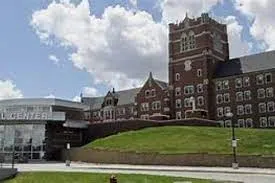
Sioux Falls Veterans Affairs Hospital. Photo from va.gov.
PIERRE, S.D. (KELO.com) – November is an opportunity to honor the service and sacrifice of our nation’s veterans while also raising awareness about the unique mental health challenges many veterans face. By increasing understanding and encouraging support, we can help ensure veterans receive the care and resources they deserve.
Understanding Veterans’ Mental Health Challenges
Veterans may experience a variety of mental health concerns throughout their lives, and some may face unique challenges related to deployment, military experiences, or the transition to civilian life. Some of the most common challenges include:
- Post-Traumatic Stress Disorder (PTSD)
- Anxiety disorders
- Depression
- Substance Use Disorders
- Traumatic Brain Injuries (TBI)
- Adjustment Disorders related to deployment, reintegration, or separation from military service
The transition from military to civilian life can be significant and may impact emotional, social, occupational, and overall well-being.
Barriers to Seeking Help
Many veterans face barriers when seeking mental health support. Some may be reluctant to reach out due to concerns about privacy, uncertainty about available resources, or a desire to handle challenges on their own. Although awareness of mental health has improved significantly, these factors can still make it difficult for some veterans to seek assistance. Additionally, access to care may be limited in certain communities because of provider shortages and wait times for services.
How We Can Support Veterans
Supporting veterans begins with creating an environment of understanding, respect, and compassion.
Ways to help include:
- Listen to understand rather than listening to respond.
- Encourage open conversations about mental health.
- Support veterans who choose to seek professional assistance.
- Share information about available resources and support programs.
- Encourage individuals to pursue careers in behavioral health professions, including counseling, psychology, and social work, to help meet the growing need for services.
When veterans feel heard and supported, they are often more willing to discuss their experiences and consider treatment options.
How HSC Supports Veterans
At HSC, supporting veterans begins during the intake and assessment process. Patients are asked about military involvement to help identify potential veteran-specific needs early. With patient consent, HSC works collaboratively with the VA and other community organizations to assist with mental health, physical health, vocational, and other support services.
HSC social workers also collaborate regularly to discuss challenging situations, share resources, and develop solutions that best meet the needs of veterans and their families.
Resources Available to Veterans
Veterans seeking assistance have access to a variety of support services, including:
- 988 Veterans Crisis Line (Call 988 and select the Veterans option)
- VA REACH for suicide prevention and mental health support tools
- Military OneSource, offering 24/7 counseling and support services
- Veteran Service Organizations such as:
- American Legion
- Veterans of Foreign Wars (VFW)
- Disabled American Veterans (DAV)
- Team Red, White & Blue (Team RWB), which promotes connection, fitness, and wellness through community engagement
These resources can provide immediate support, ongoing treatment, peer connections, and wellness opportunities.
Moving Forward Together
As we recognize Veterans Day, let us reaffirm our commitment to supporting the well-being of those who have served and ensuring they have access to the care and connections they deserve.





Comments